Belgrave Square bulky rubbish collection Belgravia explained
Posted on 17/07/2026
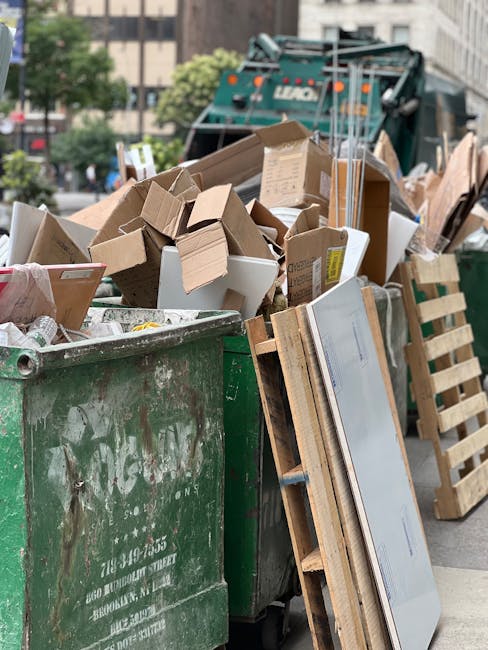
If you live, work, or manage property around Belgrave Square, bulky rubbish collection in Belgravia tends to become a practical issue right when you least want one. A sofa that won't fit through the hall. A broken wardrobe after a quick refurb. A pile of packaging after deliveries. It all adds up fast, and in a place like Belgravia, the difference between a tidy, efficient clearance and a stressful mess is usually planning.
This guide explains Belgrave Square bulky rubbish collection Belgravia explained in plain English. You'll learn what counts as bulky waste, how the process usually works, what to look out for, and how to choose a method that suits a townhouse, mews property, office, or managed building. We'll also cover practical mistakes people make, what good compliance looks like, and how to keep the whole job smooth from the first call to the final sweep-up. Simple enough. Not always easy, though.
Why Belgrave Square bulky rubbish collection Belgravia explained Matters
Belgrave Square is one of those places where the surroundings look immaculate, but the logistics behind keeping them that way can be surprisingly fiddly. Bulky rubbish is not the same as putting out a normal bag of household waste. It usually involves larger items that are awkward to move, harder to dispose of, or simply not suitable for standard weekly collection.
That matters for a few reasons. First, bulky items can block access in narrow entrances, stairwells, basement corridors, or shared mews lanes. Second, they can create safety issues if they are left in common areas for too long. Third, there's the reputational side. In a premium residential setting, one stray mattress on the pavement looks untidy very quickly. No one wants that hanging around outside a grand terrace, especially on a damp London morning.
There's also the practical reality of mixed property use in Belgravia. A single address might need furniture removal after a tenant move-out, office clearance after a redesign, or builders waste disposal after a project finishes. If the collection method is not matched to the item type, the result is usually delay, extra handling, or avoidable cost.
If you want a broader feel for how local services and lifestyle fit together in this part of London, you may also find this Belgravia area guide helpful. It gives a good sense of why logistics here need a bit more finesse than a standard suburban clearance.
Expert summary: bulky rubbish collection in Belgrave Square is not just about removing large items. It is about doing it safely, discreetly, and with enough planning to avoid disruption for residents, neighbours, and building staff.
How Belgrave Square bulky rubbish collection Belgravia explained Works
In practice, bulky rubbish collection usually follows a fairly simple pattern, though the details matter. You identify the items, agree what needs removing, choose the most suitable collection method, and arrange access so the work can be done safely and efficiently.
Typical bulky items include sofas, armchairs, beds, wardrobes, dining tables, white goods, exercise equipment, old office furniture, mixed household clutter, and packaging from a renovation or move. Some items can be handled in one visit. Others need careful dismantling before they can be carried out without damage to walls, banisters, or lifts. In Belgravia, that careful bit really counts.
The process usually starts with an assessment. That may be done from photos, a written list, or a site visit if the job is large or access is tight. Then the team plans the load, vehicle size, lifting method, and disposal route. If there are multiple floors, protected surfaces, or restricted access, those details shape the whole operation.
If you're comparing local waste services more generally, the overview on services and support is a useful place to understand how different clearance jobs fit together.
For larger or more mixed loads, the service may overlap with:
- House clearance when several rooms or an entire property need clearing
- Waste removal when the load is mixed and not just a single bulky item
- Rubbish collection when the job is smaller and faster
- Builders waste disposal when the material includes renovation debris
- Office clearance when furniture and equipment come from a workspace
That distinction is useful because the best service is not always the one with the simplest name. It's the one that matches the actual waste stream.
Key Benefits and Practical Advantages
There's a reason people in Belgravia often choose a professional bulky rubbish collection rather than trying to do it piecemeal. The main benefit is not just speed. It is control.
Here are the advantages that usually matter most:
- Less disruption: A coordinated visit means the item is removed quickly, rather than sitting in a hallway or outside entrance for days.
- Safer handling: Heavy or awkward items can injure backs, scrape walls, and chip woodwork if moved badly.
- Cleaner finish: Proper collection usually includes tidying the area afterwards, which makes a huge difference in a smart building.
- Better planning for mixed loads: Furniture, packaging, and small junk can often be cleared together if sorted correctly.
- More predictable timelines: You know when the team is arriving and when the area will be clear again.
There's also a less obvious advantage: peace of mind for residents, building managers, and landlords. In a managed property, one missed item can trigger complaints from neighbours or concierge staff. A tidy, well-organised clearance prevents that domino effect.
And yes, it can save time in ways people underestimate. Ten minutes here, an extra trip there, a second pair of hands needed after lunch... before you know it, the whole day has gone. A proper collection avoids that mess.
Who This Is For and When It Makes Sense
Belgrave Square bulky rubbish collection is relevant to a wide mix of people, not just homeowners doing a spring clean. In our experience, the common scenarios are more varied than that.
You may need it if you are:
- moving out of a flat, townhouse, or rental property
- replacing old furniture after a redesign or refurbishment
- clearing inherited items from a property
- preparing a home for sale or letting
- managing an office, studio, or professional suite
- dealing with post-build debris or packaging
- running a concierge or building management workflow that needs regular clearance support
It also makes sense when the items are large enough that regular bin storage is not realistic. A single ottoman may not feel like much. Add a mattress, broken shelves, and a couple of old chairs, though, and the problem starts to look a lot bigger.
For property owners with a long view, this can tie into wider asset care too. A well-kept building is easier to present and easier to occupy. If you're interested in the bigger picture of maintaining value in the area, the article on real estate in Belgravia and practical investment thinking makes a useful companion read.
Households are not the only ones involved either. Local businesses and professional offices sometimes need quick removal of desks, filing cabinets, display units, or equipment that has no useful second life. In those cases, office clearance in Belgravia may be the better fit.
Step-by-Step Guidance
If you want the process to go smoothly, treat it like a small project rather than a last-minute favour. That sounds obvious, but it saves headaches.
- List everything that needs removing. Include sizes where possible. If it breaks down into parts, say so.
- Separate bulky items from normal rubbish. Mixed waste is fine in many cases, but clear notes help avoid confusion.
- Check access. Stairs, lifts, door widths, parking restrictions, and basement corridors all matter.
- Take a few photos. A quick snapshot from a phone is often enough for an accurate assessment.
- Ask how the items will be handled. Will they be dismantled? Moved in protective covers? Collected in one visit or split across loads?
- Confirm timing. In Belgravia, timing can be everything. A short window can help avoid disruption to residents, deliveries, or concierge schedules.
- Prepare the space. Clear small objects from around the bulky item so it can be lifted safely.
- Keep the route open. Doors propped, mats lifted, and hallways clear make the job faster and safer.
- Check the final sweep. Make sure the area is left neat, with no screws, foam, or packing strips behind.
A tiny example: if you are clearing a second-floor flat off Belgrave Square after a furniture swap, the best outcome is usually achieved by a short pre-visit review, careful scheduling, and a lift plan that avoids long waits in shared corridors. Nothing dramatic. Just competent, calm, tidy work. That's the ideal.
Expert Tips for Better Results
Small choices make a surprisingly big difference with bulky rubbish collection. A few practical habits can save time, money, and mild irritation.
- Photograph items in daylight. Window light helps show condition and size more accurately.
- Measure awkward items. A sofa that "probably fits" is not the same as one that definitely fits.
- Group similar waste together. Furniture, electricals, and loose rubbish are easier to manage when separated.
- Tell the team about fragile finishes. Marble thresholds, polished floors, and paintwork need extra care.
- Plan around building activity. Avoid collection times that clash with housekeeping, deliveries, or resident arrivals.
- Ask about reuse and recycling. Where items are suitable for recovery, that can be a better outcome than disposal alone.
If sustainability matters to you, it should, then it is worth reading about recycling and sustainability practices. Even when bulky items cannot be reused, a thoughtful sort-and-separate approach can reduce what ends up as residual waste.
One more thing. If you are managing a property in the early morning, before the neighbourhood wakes up, discreet collection matters more than people often admit. Quiet work, swift movement, no drama. That's the sweet spot.
Common Mistakes to Avoid
Most bulky rubbish problems are avoidable. The trouble is, they usually look minor right up until the van arrives.
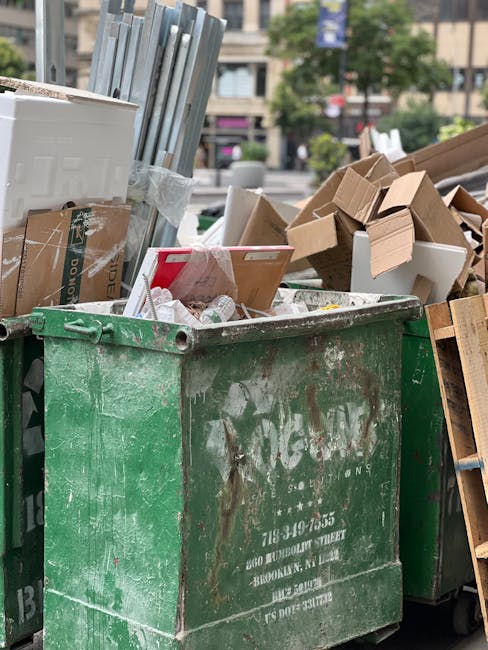
- Leaving items in the wrong place: Putting furniture in a narrow hall or shared entrance can make removal harder and risk damage.
- Underestimating access issues: A job that looks easy from the front can be complicated by basement steps, tight corners, or no-parking restrictions.
- Mixing hazardous or restricted items with general bulky waste: This can create compliance issues and slow everything down.
- Booking the wrong service type: A simple collection may not be enough for a mixed household clearance or builders waste job.
- Not checking the end result: A decent clearance should leave the area presentable, not just empty.
Another common slip is assuming that "bulky rubbish" means the same thing in every building. It doesn't. A large communal property in Belgravia may need a more coordinated approach than a single residence. Shared access, resident schedules, and concierge rules can all shape the job.
And to be fair, people also forget the obvious: if the item can be dismantled safely, dismantling it first can make the whole thing quicker. Sometimes the couch is the problem. Sometimes it's the armrests. Life is funny like that.
Tools, Resources and Recommendations
You do not need a truckload of equipment to manage bulky waste well. A few simple tools and a sensible process usually do the job.
- Measuring tape: Helpful for access checks and item dimensions.
- Phone camera: Good photos speed up assessments and reduce back-and-forth.
- Labels or notes: Useful if you are separating items for reuse, recycling, or disposal.
- Protective coverings: Blankets, corner protection, or floor mats help preserve finishes.
- Tidy staging area: A clear point near the exit makes collection safer and faster.
For readers weighing costs, timing, and job scope, pricing and quotes is a useful place to understand how projects are usually assessed. The main thing is to compare like with like. A small pick-up, a full flat clearance, and a post-refurbishment load are not the same job at all.
If you want to understand the wider service picture before committing, the rubbish collection in Belgravia page can help you see where a bulky item pickup sits alongside other local waste solutions.
For people dealing with garden furniture, plant pots, or outdoor clearance after landscaping work, garden waste removal in Belgravia may be more relevant. A patio heater, broken bench, and soil bags do not always belong in the same removal plan, even if they end up in the same corner for a while.
Law, Compliance, Standards, or Best Practice
When bulky waste is handled professionally, compliance is not about adding red tape. It is about avoiding problems. In the UK, waste must be collected and handled responsibly, and businesses moving waste should follow recognised legal and environmental duties. The exact obligations depend on the item type, the waste stream, and who is doing the work.
For a reader in Belgravia, the practical takeaway is straightforward: do not leave disposal to guesswork. Make sure the service provider understands proper handling, transportation, and disposal standards, especially where items may contain electrical components, fabrics, or mixed materials.
Good practice usually includes:
- clear item descriptions before collection
- safe lifting and transport procedures
- appropriate segregation of waste where needed
- careful treatment of shared or high-value interiors
- respect for access rules, building schedules, and neighbours
Insurance also matters. If a bulky item has to pass through a polished hallway or tight staircase, the risk of accidental damage rises. That is why sensible providers usually work in line with proper insurance and safety expectations. It sounds dull until it saves the day.
For customers who like to understand the wider values behind a provider, the pages on about us and terms and conditions can help build confidence in how the service operates. If privacy and online handling matter to you, privacy policy and payment and security are worth a look too.
None of this is about making the process complicated. It is about making it clean, traceable, and sensible. That is all most people want, really.
Options, Methods, or Comparison Table
There are several ways to deal with bulky rubbish in Belgravia, and the best one depends on volume, access, timing, and how much sorting you want to do yourself.
| Method | Best for | Advantages | Trade-offs |
|---|---|---|---|
| Single bulky item collection | One or two large items | Quick, simple, minimal disruption | Not ideal for mixed loads or larger clearances |
| General rubbish collection | Mixed small waste and some larger pieces | Flexible and efficient for everyday clear-outs | May need more sorting on arrival |
| House clearance | Multiple rooms or full-property clearances | Comprehensive, organised, often best for larger projects | More planning required |
| Office clearance | Workspaces and commercial furniture | Good for desks, chairs, storage and equipment | May need coordination with business hours |
| Builders waste disposal | Post-renovation debris and packaging | Suitable for heavier, mixed construction waste | Needs correct separation and handling |
If your job sits somewhere between categories, that is normal. A post-renovation flat, for example, may need a bit of builders waste disposal and a bit of house clearance. Real life is messy. Services are often more useful when they overlap carefully rather than when they sit in rigid boxes.
Case Study or Real-World Example
Here's a realistic example. A Belgrave Square resident needs to clear two sofas, a broken bed frame, several boxes of packaging, and an old filing cabinet after a room refresh. The building has a shared entrance, a lift, and strict timing for deliveries. Nothing dramatic, but enough to make the job awkward if handled badly.
The sensible approach would be:
- send photos of each item in advance
- confirm whether the bed frame can be dismantled
- check lift dimensions and any building restrictions
- book a collection window that avoids peak resident movement
- protect walls and floors during removal
- separate packaging from furniture where possible
In a case like this, the benefit is not just removal. It is order. The hallway stays clear, neighbours are not inconvenienced, and the property feels ready again by the end of the day. That's usually the real goal, isn't it?
If the property is close to a specific local route or square and you want practical local insight, the Eaton Square rubbish removal guide offers a helpful local comparison in the same broader area.
For residents who like hearing what others in the area value when choosing services, Belgravia resident reviews and tips can give you a feel for the kinds of things people actually pay attention to, such as punctuality, discretion, and finish quality.
Practical Checklist
Use this before you book bulky rubbish collection in Belgravia.
- List the items clearly and count them
- Measure anything unusually large or awkward
- Note stairs, lifts, parking, and access limits
- Take photos in good light
- Separate reusable, recyclable, and general waste where possible
- Check whether anything needs dismantling
- Confirm the collection time and contact details
- Protect floors, corners, and doorways if needed
- Make sure residents, staff, or contractors know the timing
- Do a final walk-through after the job is complete
Quick takeaway: the best bulky rubbish collection is the one that removes the problem without creating three smaller ones. Easy to say. Very satisfying when it works.
Get a free quote today and see how much you can save.
Conclusion
Belgrave Square bulky rubbish collection in Belgravia is really about making a complicated task feel calm and controlled. Whether you are dealing with a single oversized item, a room full of furniture, or a larger mixed clearance after refurbishment, the best results come from good preparation, clear communication, and a service approach that respects the property.
When you understand the process, the job gets easier straight away. You can plan access properly, reduce disruption, avoid common mistakes, and choose the right type of support instead of guessing. That is the whole point of this guide: to make a potentially annoying job feel manageable.
And if you are standing in a hallway at 8:30 on a Tuesday, wondering where the old sofa is going to go, take heart. It's solvable. Properly solvable. One tidy collection at a time.


Copyright © . House Clearance Belgravia. All Rights Reserved.